
Hawaii’s warm temperatures, abundant sunshine, and tropical rainfall create the perfect environment for vibrant landscapes. Whether you’re designing a backyard retreat, enhancing your front yard, or updating a commercial property, selecting plants that naturally thrive in Hawaii’s climate is one of the best ways to create a healthy and low-maintenance landscape.
If you’re searching for the best tropical plants for Hawaii landscapes, you’ll find plenty of beautiful options. From colorful flowering shrubs to dramatic palms and lush foliage, tropical plants bring year-round beauty while complementing the islands’ unique environment.
According to the University of Hawaiʻi College of Tropical Agriculture and Human Resources (CTAHR), choosing plants that are well suited to local climate and growing conditions helps improve long-term landscape success while reducing maintenance needs. Selecting the right species from the start can make a noticeable difference in plant health and water use.
Let’s explore some of the best tropical plants that can add beauty and character to Hawaii landscapes.
Why Choose Tropical Plants?
Tropical plants are naturally adapted to Hawaii’s warm climate.
Many offer advantages such as:
- Year-round greenery
- Bright flowers
- Fast growth
- Heat tolerance
- Humidity resistance
- Excellent visual appeal
Choosing climate-appropriate plants often means healthier landscapes with less ongoing maintenance.
Hibiscus: Hawaii’s Iconic Flower
No list of the best tropical plants for Hawaii landscapes would be complete without hibiscus.
Known for its large, colorful blooms, hibiscus comes in shades including:
- Red
- Yellow
- Pink
- Orange
- White
These flowering shrubs bloom throughout much of the year and attract butterflies and other pollinators.
Regular pruning encourages fuller growth and more blossoms.
Ti Plants Add Color All Year
Ti plants are prized for their striking foliage rather than their flowers.
Leaf colors range from:
- Deep burgundy
- Bright green
- Purple
- Pink
- Variegated combinations
They work beautifully as accent plants, privacy screens, or border plantings.
Ti plants also perform well in both sun and partial shade.
Bird of Paradise Creates Dramatic Style
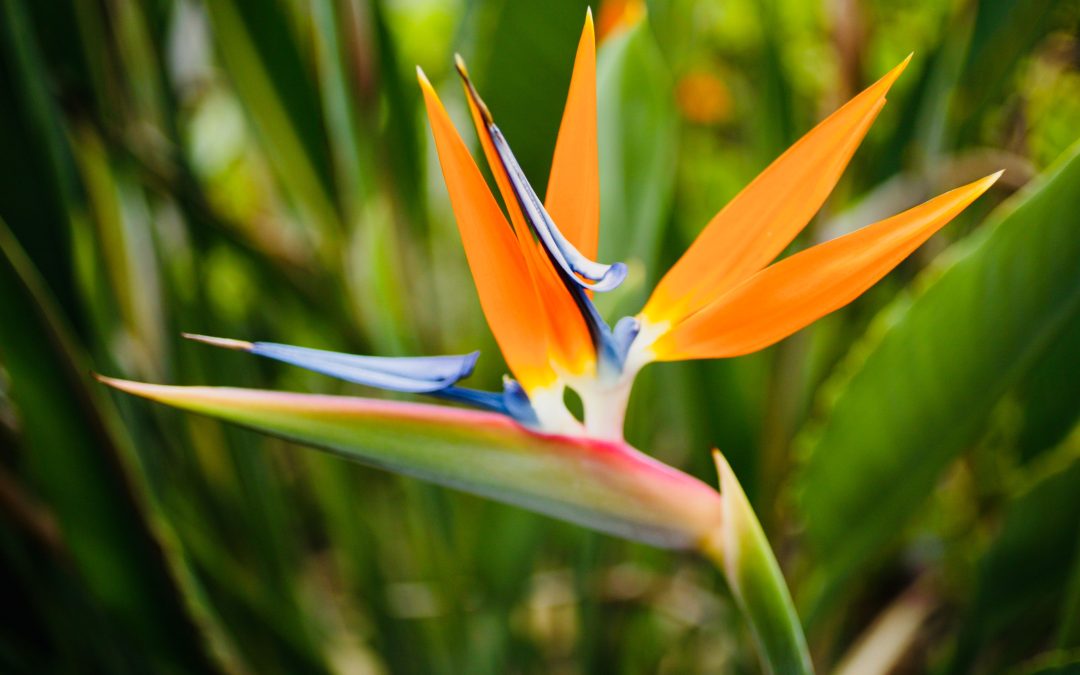
Bird of Paradise is one of the most recognizable tropical plants thanks to its unique flowers that resemble colorful birds in flight.
Its large leaves also contribute to a lush tropical appearance.
Bird of Paradise works especially well near:
- Entryways
- Patios
- Pool areas
- Garden focal points
With proper care, it produces spectacular blooms throughout much of the year.
Plumeria Brings Fragrance and Beauty
Plumeria trees are beloved throughout Hawaii for their fragrant blossoms.
Their flowers are commonly used in leis and bloom in a wide range of colors.
Popular shades include:
- White
- Yellow
- Pink
- Red
- Multicolored varieties
Even when not flowering, plumeria trees provide attractive branching structure that complements tropical gardens.
Areca Palm Adds Privacy
If you’re looking for a natural privacy screen, Areca palms are an excellent choice.
These graceful palms feature:
- Soft arching fronds
- Clumping growth
- Moderate height
- Dense foliage
They create a lush backdrop while remaining relatively easy to maintain.
Heliconia Offers Bold Tropical Color
Heliconia plants produce dramatic flowers in brilliant shades of:
- Red
- Orange
- Yellow
- Pink
Their large leaves create a rainforest feel that fits perfectly into Hawaii landscapes.
Many varieties also attract hummingbirds and other pollinators where they are present.
Crotons Deliver Vibrant Foliage
Crotons are known for their colorful leaves rather than flowers.
Depending on the variety, foliage may feature combinations of:
- Green
- Yellow
- Orange
- Red
- Purple
Their bold appearance adds year-round visual interest to garden beds and containers.
Monstera Creates a Tropical Statement
Monstera is instantly recognizable for its large split leaves.
This dramatic foliage plant thrives in Hawaii’s humid climate and works well:
- Around patios
- In shaded gardens
- Near water features
Its oversized leaves create an unmistakable tropical atmosphere.
Ginger Plants Add Color and Texture
Several ornamental ginger varieties grow beautifully in Hawaii.
Popular choices include:
- Red ginger
- Shampoo ginger
- Shell ginger
These plants offer colorful blooms along with attractive foliage that fills landscape beds naturally.
Many also make excellent cut flowers.
Native Hawaiian Plants Deserve Consideration
While many tropical ornamentals perform well, incorporating native plants supports local ecosystems.
Examples include:
- ʻIlima
- Naupaka
- ʻAʻaliʻi
- Pōhinahina
Native plants often adapt exceptionally well to Hawaii’s growing conditions and provide valuable habitat for local wildlife.
The University of Hawaiʻi encourages homeowners to include native species whenever appropriate to help preserve biodiversity.
Consider Sun and Shade Requirements
Even tropical plants have different lighting preferences.
Some thrive in full sun, while others perform better in filtered light.
Before planting, observe:
- Morning sun
- Afternoon shade
- Wind exposure
- Soil drainage
Matching plants to their preferred conditions promotes healthier growth.
Plan for Mature Size
One common landscaping mistake is planting without considering future growth.
Some tropical plants grow surprisingly large.
Allow enough space for:
- Mature height
- Mature width
- Root systems
- Air circulation
Proper spacing helps reduce maintenance and improves overall plant health.
Improve Soil Before Planting
Healthy soil gives tropical plants the best possible start.
Consider adding:
- Compost
- Organic matter
- Mulch
Well-draining soil supports strong root development while reducing the risk of root rot.
Mulching also helps conserve moisture and suppress weeds.
Water Wisely
Although Hawaii receives significant rainfall in many areas, watering needs vary depending on location and season.
Newly planted landscapes typically require more consistent watering while roots become established.
Once mature, many tropical plants require less supplemental irrigation, especially in wetter regions.
Create Layers for a Natural Look
Professional tropical landscapes often combine plants of different heights.
A layered design may include:
- Tall palms
- Flowering shrubs
- Mid-sized foliage plants
- Ground covers
Layering creates depth while giving gardens a lush, natural appearance.
Conclusion
Choosing the best tropical plants for Hawaii landscapes allows you to create an outdoor space that celebrates the islands’ natural beauty while thriving in the local climate. Whether you prefer colorful hibiscus, elegant palms, fragrant plumeria, or dramatic foliage plants, there are countless options that provide year-round interest and lasting appeal.
By selecting climate-appropriate plants, preparing your soil, and designing with mature growth in mind, you can build a landscape that remains healthy, beautiful, and easy to maintain. A thoughtfully planned tropical garden not only enhances your property but also creates a relaxing outdoor environment you’ll enjoy every day.