
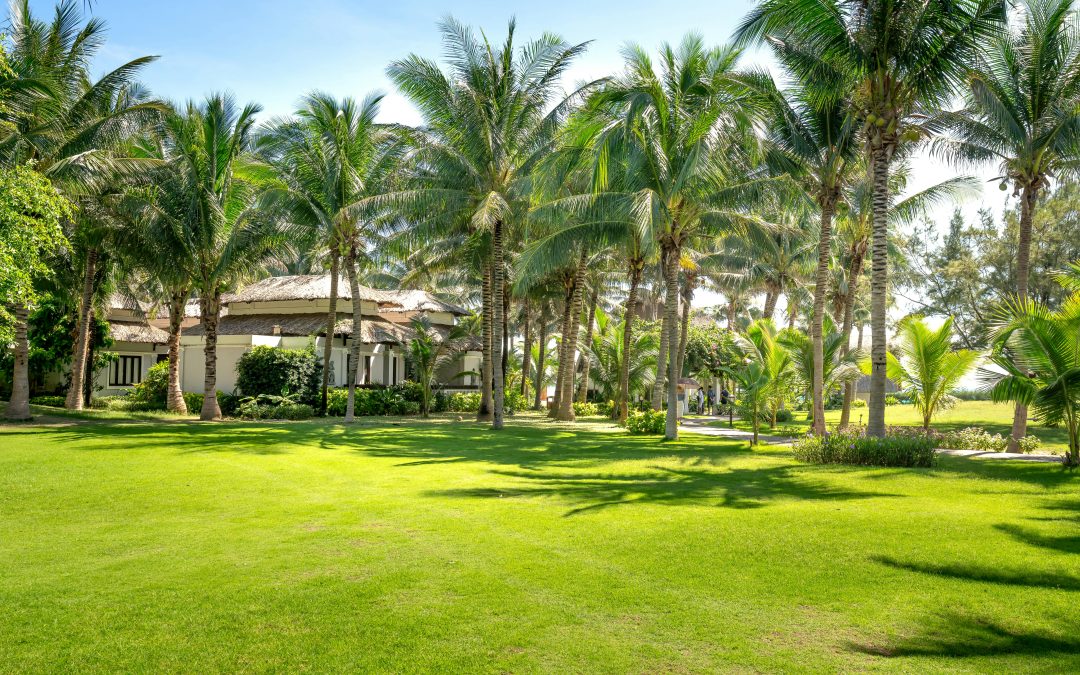
Keeping a lawn healthy in Hawaii is very different from maintaining grass in most parts of the mainland United States. The tropical climate brings year-round warmth, frequent rain, intense sun, and high humidity. On top of that, many Hawaii homeowners also deal with volcanic soil, which creates unique challenges for growing and maintaining healthy grass.
That is why understanding tropical lawn care tips for Hawaii homeowners dealing with volcanic soil and humidity can make a huge difference in how your yard looks and performs throughout the year.
Hawaii’s volcanic soil is rich in minerals, but it can also drain quickly and vary greatly depending on location. Combined with humidity and tropical weather patterns, lawn care requires a more specialized approach than standard maintenance routines.
Let’s explore practical ways Hawaii homeowners can keep their lawns green, healthy, and resilient.
Understanding Hawaii’s Volcanic Soil
Volcanic soil is one of Hawaii’s defining landscape features.
This soil often contains:
- High mineral content
- Porous lava rock materials
- Fast drainage properties
- Variable pH levels
While nutrient-rich in some ways, volcanic soil can also struggle to retain moisture consistently.
According to the University of Hawaii College of Tropical Agriculture and Human Resources, Hawaii soils vary widely even within short distances, which means lawn care strategies should be adjusted based on local conditions.
This is one reason tropical lawn care tips for Hawaii homeowners dealing with volcanic soil and humidity are so important for long-term lawn success.
Choose Grass Types That Thrive in Tropical Conditions
Not all grass varieties handle Hawaii’s environment equally well.
Popular tropical lawn grasses include:
- Bermuda grass
- Zoysia grass
- Seashore paspalum
- St. Augustine grass
These grasses tolerate:
- Heat
- Humidity
- Salt exposure
- Heavy rainfall
Choosing the right grass type reduces maintenance needs and improves resilience against disease.
Test Soil Before Applying Fertilizer
Many homeowners assume all tropical soil needs more fertilizer, but volcanic soil can already contain certain nutrients in high amounts.
A soil test helps determine:
- Nutrient levels
- Soil pH
- Organic matter content
- Drainage quality
Testing prevents over-fertilization, which can damage lawns and contribute to runoff pollution.
Improve Moisture Retention With Organic Matter
Volcanic soils often drain quickly because of their porous structure.
Adding organic materials like:
- Compost
- Mulch
- Aged manure
- Grass clippings
helps improve water retention and soil stability.
This simple step is one of the most effective tropical lawn care tips for Hawaii homeowners dealing with volcanic soil and humidity because it balances drainage while supporting healthy root growth.
Water Deeply but Less Frequently
Hawaii’s humidity can make lawns appear moist even when roots are dry.
Instead of frequent shallow watering:
- Water deeply
- Encourage deeper root systems
- Reduce fungal growth risks
- Improve drought tolerance
Early morning watering is usually best because it allows grass to dry throughout the day.
Watch for Fungal Lawn Diseases
High humidity creates ideal conditions for fungal problems.
Common tropical lawn diseases include:
- Brown patch
- Dollar spot
- Leaf spot fungus
Signs may include:
- Yellowing grass
- Circular dead patches
- Slimy or mold-like growth
Proper airflow, correct watering, and regular mowing help reduce disease risk.
Mow Properly for Tropical Grass Health
Mowing too short stresses grass in hot climates.
For most tropical grasses:
- Keep blades slightly higher
- Avoid cutting more than one-third of grass height at once
- Use sharp mower blades
Longer grass blades help shade the soil, retain moisture, and reduce weed growth.
Fertilize Carefully in Humid Climates
Tropical lawns grow quickly, but over-fertilizing can cause problems.
Too much fertilizer may lead to:
- Excessive growth
- Weak root systems
- Increased disease vulnerability
- Nutrient runoff during heavy rains
Slow-release fertilizers are often the best option for tropical environments.
Aeration Helps Volcanic Soil Balance Moisture
Even though volcanic soil drains well, compaction can still occur over time.
Aerating the lawn:
- Improves oxygen flow
- Enhances root development
- Helps nutrients absorb properly
- Prevents water pooling in compacted zones
Aeration is especially useful in high-traffic yard areas.
Weed Control Requires Consistency
Warm tropical conditions encourage rapid weed growth.
Common Hawaii lawn weeds include:
- Crabgrass
- Sedges
- Clover varieties
The best defense is maintaining thick, healthy grass that naturally crowds out weeds.
Regular mowing and proper fertilization help prevent weed spread without relying heavily on chemicals.
Humidity Makes Lawn Timing Important
Timing matters more in tropical climates.
For example:
- Avoid mowing during peak midday heat
- Water early in the morning
- Apply treatments during dry weather windows
These adjustments reduce lawn stress and improve overall health.
Coastal Areas Need Salt-Tolerant Strategies
Many Hawaii homes are near the ocean, where salt exposure affects lawns.
Salt-tolerant grasses like seashore paspalum perform especially well in these environments.
Occasional deep watering also helps flush excess salt from the soil.
Landscaping Choices Can Support Lawn Health
Trees, shrubs, and hardscaping influence grass performance.
Strategic landscaping can:
- Improve shade balance
- Reduce erosion
- Enhance drainage
- Lower heat stress on grass
Integrated yard planning creates a healthier overall outdoor environment.
Sustainability Matters in Hawaii Lawn Care
Because Hawaii has delicate ecosystems, environmentally responsible lawn care is important.
Sustainable practices include:
- Using organic fertilizers when possible
- Reducing pesticide overuse
- Conserving water
- Composting yard waste
Healthy lawns can coexist with environmentally conscious maintenance.
Consistent Maintenance Prevents Bigger Problems
Tropical lawns grow quickly year-round, so consistency matters.
Regular maintenance includes:
- Weekly mowing
- Seasonal fertilizing
- Ongoing weed monitoring
- Drainage inspections
Small issues become much easier to manage when addressed early.
Conclusion
Maintaining a healthy lawn in Hawaii requires more than standard lawn care advice. Tropical weather, humidity, and volcanic soil create a unique environment that demands specialized attention.
By following tropical lawn care tips for Hawaii homeowners dealing with volcanic soil and humidity, homeowners can build lawns that stay greener, healthier, and more resilient throughout the year. From choosing the right grass and improving soil balance to managing moisture and preventing disease, every step contributes to long-term lawn success.
With the right approach, Hawaii’s tropical conditions can become an advantage rather than a challenge for beautiful outdoor spaces.