
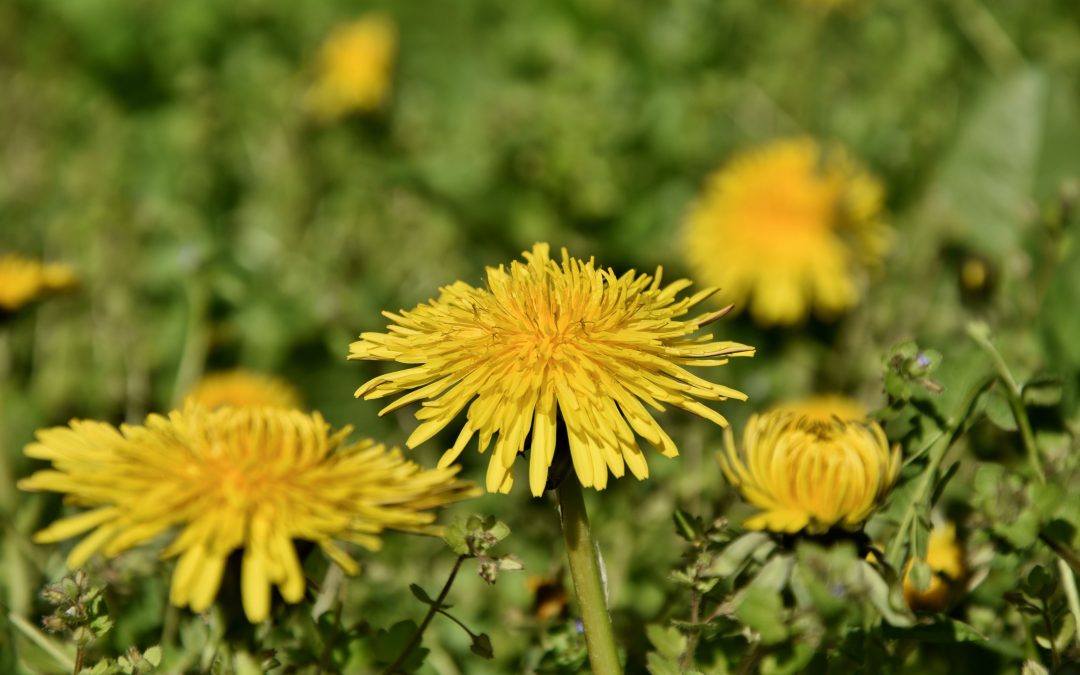
If you’ve ever spent hours pulling weeds only to see them return a few weeks later, you’re definitely not alone. Warm temperatures, frequent rainfall, and high humidity create ideal growing conditions for grass, but they also help weeds thrive. That’s why many homeowners search for how to control weeds in tropical lawns before those unwanted plants take over.
The good news is that you don’t have to rely on constant weeding or harsh chemicals to maintain a beautiful lawn. A combination of healthy lawn care practices, timely maintenance, and smart weed prevention can make a noticeable difference throughout the year.
According to the University of Florida Institute of Food and Agricultural Sciences (UF/IFAS), the healthiest lawns naturally resist weeds because thick, vigorous turf leaves little room for unwanted plants to establish themselves. That simple principle is the foundation of effective weed control.
Let’s look at the best ways to keep your tropical lawn looking lush while minimizing weed problems.
Why Tropical Lawns Attract More Weeds
Tropical climates provide nearly everything weeds need to grow.
Warm weather encourages year-round growth, while regular rainfall keeps the soil consistently moist. Many weeds also produce thousands of seeds that spread easily through wind, animals, lawn equipment, or foot traffic.
If grass becomes thin due to poor maintenance or heavy shade, weeds quickly move in to fill the empty spaces.
Understanding why weeds appear is the first step toward long-term control.
Identify the Weeds Before Taking Action
Not every weed should be treated the same way.
Some common weeds found in tropical lawns include:
- Crabgrass
- Nutgrass (nutsedge)
- Clover
- Dollarweed
- Spurge
- Goosegrass
- Broadleaf weeds
Different weeds respond to different treatment methods. Correct identification helps you choose the most effective solution without damaging your lawn.
If you’re unsure, local garden centers or agricultural extension offices can often help identify weed species.
Keep Your Grass Thick and Healthy
One of the most effective answers to how to control weeds in tropical lawns is surprisingly simple: grow healthier grass.
Dense turf naturally blocks sunlight from reaching weed seeds, making it much harder for them to germinate.
Healthy lawns also compete more successfully for:
- Water
- Nutrients
- Sunlight
- Space
Regular lawn care creates the best defense against future weed problems.
Mow at the Right Height
Many homeowners mow too short because they think it reduces mowing frequency.
Unfortunately, cutting grass too low weakens it and gives weeds an advantage.
Different tropical grasses have different recommended mowing heights, so it’s important to follow guidelines for your specific variety.
Keeping grass slightly taller encourages stronger roots and shades the soil, reducing opportunities for weed growth.
Sharp mower blades also create cleaner cuts that help grass recover more quickly.
Water Deeply Instead of Frequently
Overwatering creates conditions that encourage many weeds while weakening your lawn’s root system.
Instead of watering lightly every day, water deeply and less often.
Deep watering encourages grass roots to grow farther into the soil, making the lawn more resilient during dry periods.
Morning watering is generally preferred because it allows grass to dry during the day, reducing disease risk.
Fertilize Properly
Healthy grass requires proper nutrition.
Applying fertilizer at the right time strengthens your lawn and helps it outcompete weeds naturally.
Avoid excessive fertilizer, however, because too much nitrogen may encourage certain weed species along with rapid grass growth.
Follow local recommendations based on your grass type and soil conditions for the best results.
Remove Weeds Early
Small weeds are much easier to manage than mature ones.
As soon as you notice new weeds appearing, remove them before they flower and produce seeds.
Hand-pulling works especially well for isolated weeds after rainfall when the soil is soft.
Be sure to remove the entire root whenever possible to reduce regrowth.
Regular inspections make weed control much more manageable throughout the growing season.
Improve Soil Health
Healthy soil supports healthy grass.
Compacted soil limits root growth and creates opportunities for weeds to establish themselves.
Improving soil health may include:
- Aerating compacted areas
- Adding compost where appropriate
- Improving drainage
- Maintaining proper soil pH
Healthy soil helps grass recover faster from stress while reducing weed invasion.
Consider Mulching Around Lawn Edges
While mulch isn’t used directly on grass, it works well in landscape beds surrounding your lawn.
A layer of organic mulch helps:
- Suppress weed growth
- Retain soil moisture
- Improve soil quality over time
- Create cleaner landscape borders
Keeping weeds under control around the lawn reduces the number of seeds that can spread into the grass.
Use Herbicides Carefully When Needed
Sometimes weeds become too widespread for manual removal alone.
Selective herbicides can help control certain weed species without harming established turf when used according to label directions.
Pre-emergent herbicides prevent many annual weeds from germinating, while post-emergent products target weeds that are already growing.
Always choose products suitable for your specific grass type because tropical turf varieties can respond differently to various herbicides.
Reading and following product instructions carefully helps protect both your lawn and the surrounding environment.
Seasonal Lawn Maintenance Matters
Tropical lawns continue growing through much of the year, so regular maintenance remains important.
A good routine includes:
- Weekly mowing during active growth
- Regular inspections for weeds
- Proper irrigation
- Seasonal fertilization
- Prompt repair of bare spots
Consistency often produces better results than occasional intensive treatments.
Common Mistakes That Encourage Weeds
Even well-intentioned homeowners sometimes create conditions that favor weeds.
Some common mistakes include:
- Mowing too short
- Overwatering
- Ignoring bare patches
- Skipping fertilization
- Using dull mower blades
- Waiting too long to remove weeds
Correcting these habits can significantly improve your lawn over time.
How to Control Weeds in Tropical Lawns for Long-Term Success
If you’re wondering how to control weeds in tropical lawns, remember that prevention is usually easier than elimination.
Rather than focusing only on killing weeds, concentrate on creating conditions where healthy grass naturally thrives.
A thick, vigorous lawn becomes your best defense against unwanted plants.
With regular care, timely maintenance, and attention to soil health, you’ll spend less time battling weeds and more time enjoying your outdoor space.
Final Thoughts
Learning how to control weeds in tropical lawns takes patience, but the results are well worth the effort. By mowing correctly, watering wisely, fertilizing appropriately, and addressing weeds early, you can build a stronger lawn that naturally resists weed invasion.
No lawn is completely weed-free all the time, especially in warm tropical climates. However, consistent maintenance and healthy growing practices can dramatically reduce weed problems while keeping your yard green, attractive, and enjoyable throughout the year.