
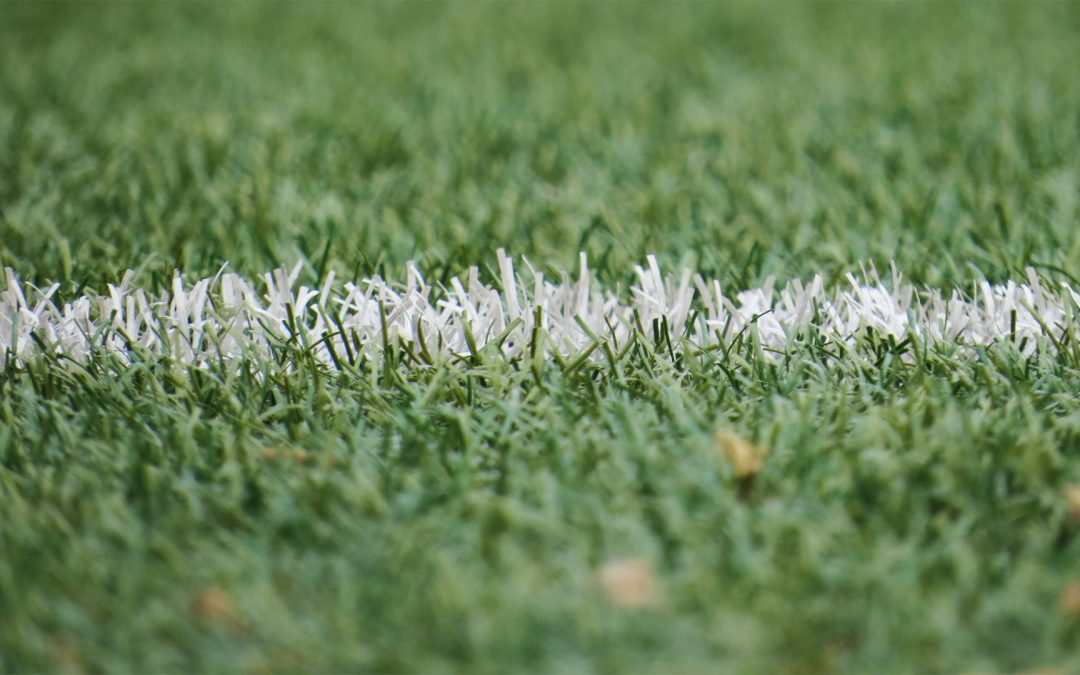
Keeping a natural lawn lush, green, and weed-free in a place like Hawaii isn’t always easy. The sun’s intense, water bills can climb fast, and don’t even get us started on the time it takes to mow and maintain. That’s where artificial turf installation comes in—and no, it’s not the fake-looking grass you remember from old-school mini golf courses.
These days, artificial turf is realistic, low-maintenance, and surprisingly eco-friendly. If you’re tired of the weekend yard work grind or just want something greener (literally and figuratively), you might want to keep reading.
What Is Artificial Turf, Really?
Artificial turf is a synthetic surface made to look and feel like real grass. It’s typically made from polyethylene or nylon and comes in various styles and shades of green. Installed properly, it can easily pass for the real thing—without needing weekly upkeep.
And it’s not just for football fields or putting greens anymore. Homeowners, schools, businesses, and even pet owners are choosing turf as a smart alternative to traditional lawns.
Why More Homeowners Are Making the Switch
Here’s a wild fact: According to the U.S. Environmental Protection Agency, landscape irrigation accounts for nearly one-third of all residential water use—that’s about 9 billion gallons per day.
Imagine how much water (and money) you could save by switching to turf.
Here’s why artificial turf installation is trending in places like Hawaii:
- Water savings: No watering means less strain on your wallet and the environment.
- Minimal maintenance: Say goodbye to mowing, fertilizing, and weeding.
- Year-round green: It looks fresh no matter the season.
- Great for pets and kids: Most turf options are soft, durable, and non-toxic.
- No mud or mess: Even after rain, your yard stays clean and dry.
What to Expect During Artificial Turf Installation
Thinking of making the leap? Here’s what a typical installation looks like:
- Site Prep: First, the area gets cleared of grass, rocks, and debris.
- Base Layer: A compacted base (usually crushed rock) is added for drainage and support.
- Turf Roll-Out: The turf is rolled out, trimmed to fit, and joined with adhesive or nails.
- Infill Application: Sand or rubber granules are brushed into the turf to weigh it down and keep the blades standing tall.
- Final Grooming: Everything’s brushed out to look clean and natural.
The whole process usually takes a couple of days, depending on the size of your space.
Does Turf Get Hot?
Great question. Yes, artificial turf can get warm in direct sunlight, especially in tropical climates. But newer versions are designed with cooling technology, and you can always rinse it with water before use if needed. Adding a shade structure or planting a tree nearby can also help naturally keep things cool.
How Long Does Artificial Turf Last?
With proper care, most turf installations last 15–20 years. That’s a lot of weekends you’ll get back—not to mention all the savings on water and lawn gear.
To make it last even longer:
- Brush it regularly to keep it fluffed and clean
- Rinse off pet waste and debris
- Keep sharp objects (like grill legs or furniture spikes) off the surface
Is It Safe for Pets and Kids?
Absolutely. Most modern turf products are lead-free, non-toxic, and allergen-friendly. If your dog loves to dig, you might want to look into reinforced turf options, but generally, turf is a pet parent’s dream. No muddy paws, no grass stains, and it’s easy to clean.
What About the Cost?
Artificial turf installation isn’t the cheapest upfront investment. You’re looking at $5 to $15 per square foot, depending on materials and site conditions. But it pays off over time. When you factor in reduced water bills, no lawn service, and minimal maintenance costs, many homeowners break even in just a few years.
Final Thoughts: Is Turf Right for You?
If you’re craving a beautiful, low-maintenance yard that stays green all year, artificial turf installation could be the perfect fit. Whether you want to upgrade your front lawn, build a pet-friendly backyard, or just cut down on yard work, turf offers a practical (and pretty good-looking) solution.
It’s not for everyone—if you love the smell of fresh-cut grass or have a garden that thrives on natural soil, it might not be your vibe. But for many folks in sunny, dry climates like Hawaii, turf is a game-changer.
Bottom line? Less work, more play—and your yard will always look ready for a backyard BBQ.