
If you live in a tropical climate, you already know that keeping a lawn healthy is not always as easy as it looks. The sunshine is abundant, the rain can be intense, and growth happens fast. While that might sound ideal for a lush green yard, it also brings a unique set of challenges.
Understanding lawn care issues in tropical regions can help you avoid frustration and keep your outdoor space looking vibrant all year round. With a few smart adjustments, you can work with the climate instead of constantly battling it.
Why Tropical Lawns Behave Differently
Tropical regions are known for high humidity, warm temperatures, and seasonal rainfall patterns. These conditions create a fast-growing environment for grass, but they also encourage weeds, pests, and diseases.
According to the Food and Agriculture Organization, tropical soils often experience nutrient depletion due to heavy rainfall, which washes away essential minerals. This means your lawn might look green on the surface but still lack the nutrients it needs to stay strong.
That is why lawn care issues in tropical regions often require a slightly different approach compared to temperate climates.
Rapid Grass Growth Can Become a Problem
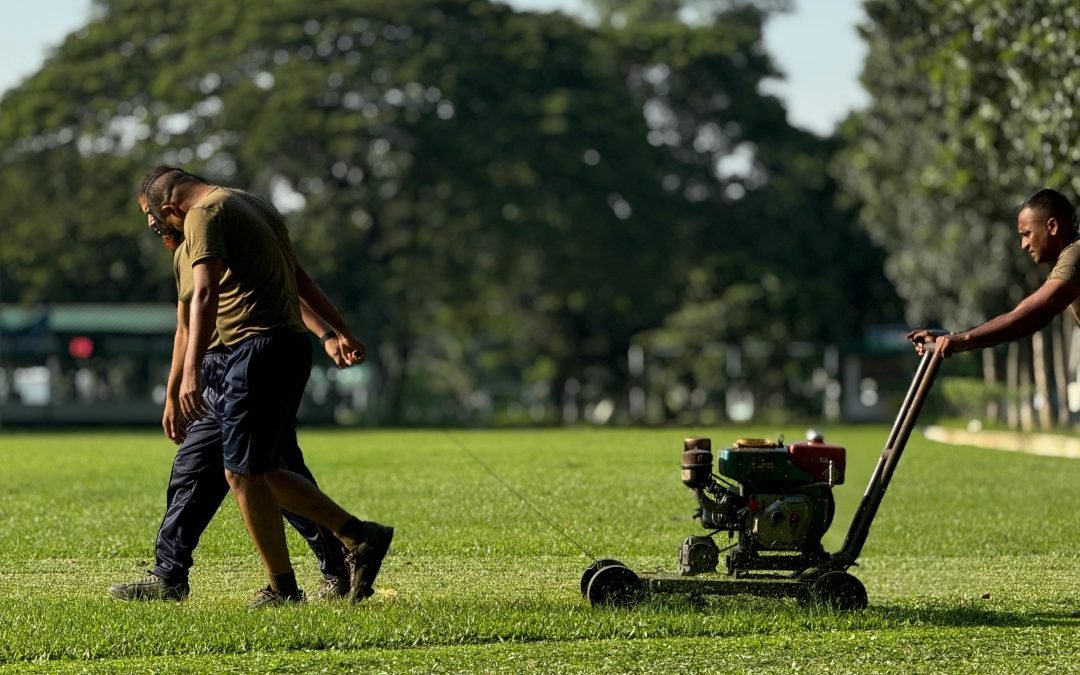
One of the first things homeowners notice is how quickly grass grows. While it might seem like a good thing, excessive growth can lead to uneven lawns and more frequent maintenance.
If mowing is not done regularly, grass can become:
- Patchy and weak at the roots
- Prone to fungal infections
- More attractive to pests
The solution is simple but important. Maintain a consistent mowing schedule and avoid cutting too much at once. Removing more than one third of the grass height can stress the lawn.
Heavy Rainfall and Drainage Challenges
Tropical climates often bring sudden and intense rainfall. While grass needs water, too much of it can cause serious issues.
Poor drainage leads to:
- Waterlogged soil that suffocates roots
- Increased risk of fungal diseases
- Soil erosion in sloped areas
Improving drainage is key. This can include aerating the soil, adding organic matter, or creating slight slopes to direct water away from problem areas.
Managing water effectively is one of the biggest lawn care issues in tropical regions.
Persistent Weed Growth
Warm temperatures and frequent rain create perfect conditions for weeds to thrive. In many cases, weeds grow faster than the grass itself.
Common tropical weeds can quickly take over if left unchecked. To manage them effectively:
- Keep your lawn dense and healthy to crowd out weeds
- Use targeted weed control methods instead of broad treatments
- Remove weeds early before they spread
A proactive approach saves time and effort in the long run.
Pests Thrive in Warm Climates
Tropical environments are ideal for insects and other lawn pests. Grubs, ants, and caterpillars are just a few examples that can damage grass from both above and below the surface.
Signs of pest problems include:
- Yellow or brown patches
- Grass that lifts easily from the soil
- Increased bird activity feeding on insects
Integrated pest management works best. This means combining natural solutions, proper lawn care, and selective treatments when necessary.
Fungal Diseases Spread Quickly
Humidity is a major factor in the spread of lawn diseases. Fungal infections can appear almost overnight and spread rapidly if conditions are right.
Common issues include:
- Brown patch disease
- Leaf spot
- Dollar spot
To reduce the risk:
- Water early in the morning so grass dries during the day
- Avoid overwatering
- Improve air circulation by not overcrowding plants
These small habits can make a big difference in preventing disease.
Soil Nutrient Loss and Fertilization Needs
Frequent rainfall in tropical regions often washes nutrients out of the soil. This leaves grass struggling to maintain its color and strength.
Regular fertilization is essential, but timing matters. Applying fertilizer just before heavy rain can lead to nutrient loss.
Instead:
- Use slow-release fertilizers
- Apply during drier periods
- Test your soil to understand what nutrients are missing
Healthy soil is the foundation of a healthy lawn, especially in tropical climates.
Choosing the Right Grass Type
Not all grass varieties are suited for tropical conditions. Selecting the right type can reduce many common problems.
Popular tropical grasses include:
- Bermuda grass for durability
- Zoysia grass for dense growth
- St. Augustine grass for shade tolerance
Each type has its strengths, so choosing one that matches your environment and usage is crucial.
Managing Sun and Shade Balance
Tropical regions often have intense sunlight, but that does not mean every part of your lawn gets equal exposure. Trees, buildings, and other structures can create shaded areas that affect growth.
Grass in shaded spots may become thin or weak. To manage this:
- Trim trees to allow more light through
- Use shade-tolerant grass varieties
- Adjust watering and fertilization for different zones
Balancing sun and shade helps maintain a consistent look across your lawn.
Practical Tips for Ongoing Lawn Success
Keeping your lawn healthy does not require complicated techniques. A few consistent habits go a long way:
- Mow regularly and at the right height
- Water deeply but less frequently
- Aerate soil to improve root health
- Monitor for early signs of pests or disease
These simple steps help you stay ahead of common lawn care issues in tropical regions.
Final Thoughts: Work With the Climate, Not Against It
Tropical climates offer the potential for lush, green lawns, but they also come with unique challenges. The key is understanding how these conditions affect your grass and adjusting your approach accordingly.
Instead of trying to follow generic lawn care advice, focus on strategies tailored to your environment. When you do that, maintaining a healthy lawn becomes much more manageable.
With the right knowledge and a bit of consistency, you can overcome lawn care issues in tropical regions and enjoy a yard that looks great year round.