
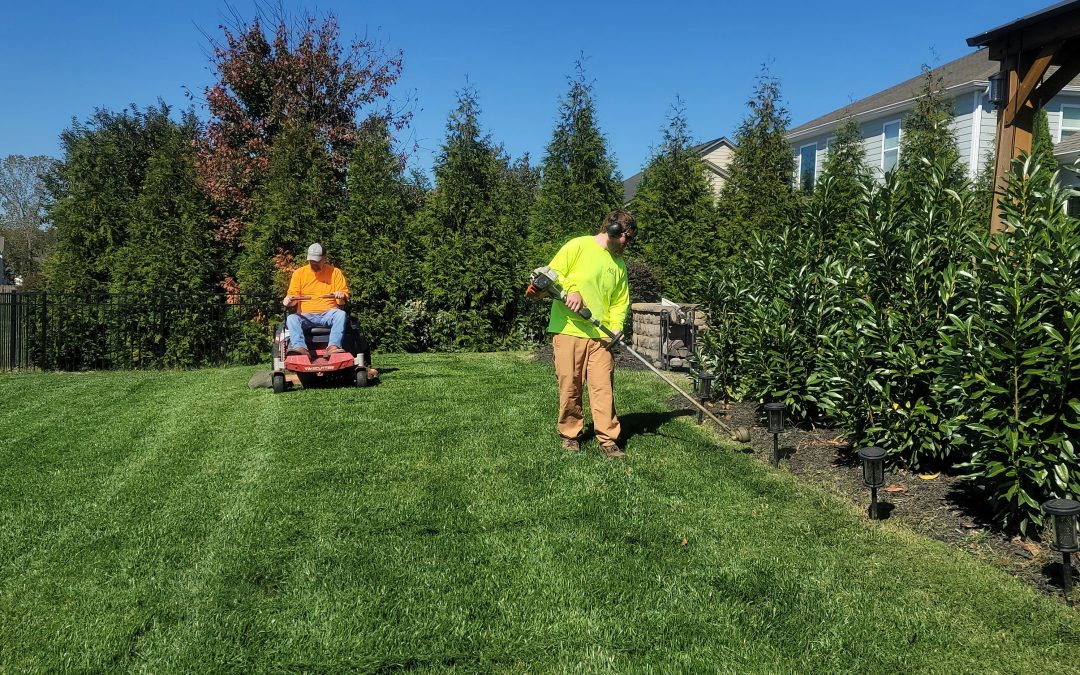
Do you dream of a green, healthy lawn but worry about the harmful effects of pesticides on your family, pets, and the environment? You are not alone. Many homeowners today are turning to lawn care without pesticides as a safer and more sustainable alternative. Whether you are starting from scratch or trying to make the switch, you can absolutely have a beautiful yard without toxic sprays.
In fact, according to the U.S. Fish and Wildlife Service, over 7 million birds die annually in the U.S. due to pesticide exposure. That is a huge motivator to go chemical-free, especially if you love wildlife or have curious kids running around. So how do you do it? Let’s walk through simple and practical ways to care for your lawn the natural way.
Choose the Right Grass for Your Region
The first step to pesticide-free lawn care is selecting the right type of grass. A lawn that thrives in your climate will naturally resist pests and disease.
Some examples include:
- Fescue and bluegrass for cooler climates
- Bermudagrass and zoysiagrass for warmer regions
- Buffalograss for dry, drought-prone areas
Talk to your local nursery or cooperative extension office to get advice tailored to your area. When your grass is well-suited to the environment, it requires less maintenance and is less vulnerable to pests.
Improve Soil Health
Healthy soil is the foundation of a thriving lawn. Instead of relying on synthetic fertilizers, try building your soil naturally.
Here are some tips:
- Aerate your lawn once or twice a year to reduce soil compaction
- Top-dress with compost to add nutrients and improve water retention
- Test your soil pH and add lime or sulfur if needed to balance acidity
- Use natural fertilizers like worm castings, compost tea, or organic blends
Good soil encourages deep root growth and creates a strong defense system for your grass, making it harder for weeds or pests to take over.
Mow Smart and Water Wisely
Your mowing and watering habits can make or break your efforts to maintain lawn care without pesticides.
- Set your mower blade high. Taller grass shades the soil, helping it retain moisture and preventing weeds from sprouting. Aim for 3 inches or more
- Leave grass clippings on the lawn to decompose naturally and return nutrients to the soil
- Water deeply but infrequently. This trains your grass to grow deeper roots. Try watering once or twice a week, early in the morning to prevent evaporation
These small adjustments not only support a healthier lawn but also reduce your need for chemical interventions.
Use Natural Pest and Weed Control
Let’s be honest. Weeds and bugs will show up now and then. But instead of reaching for harsh sprays, you can tackle them using safe, natural methods.
- Hand-pull weeds regularly before they flower and spread
- Apply mulch or corn gluten meal to block weed growth
- Introduce beneficial insects like ladybugs and nematodes to control pests
- Use neem oil or insecticidal soap as a natural remedy for common lawn pests
Also, consider planting clover or creeping thyme in your lawn. These ground covers outcompete weeds and attract pollinators, all while staying lush and green.
Embrace Imperfection and Biodiversity
One of the keys to successful lawn care without pesticides is changing your mindset. A perfect, golf-course lawn might not be realistic or even healthy. Embrace a bit of diversity in your yard. A few dandelions or clover patches can actually benefit the ecosystem by attracting bees and helping fix nitrogen in the soil.
Not only is this approach healthier, but it also saves time, money, and water. You will spend less energy fighting nature and more time enjoying a vibrant, resilient outdoor space.
Final Thoughts
Choosing lawn care without pesticides is a smart move for your health, your family, and the environment. With the right grass type, healthy soil, mindful mowing and watering, and natural pest control, you can create a thriving lawn without chemicals.
Small changes in your lawn care routine can make a big difference. Give it a try and enjoy the benefits of a greener, cleaner yard.