
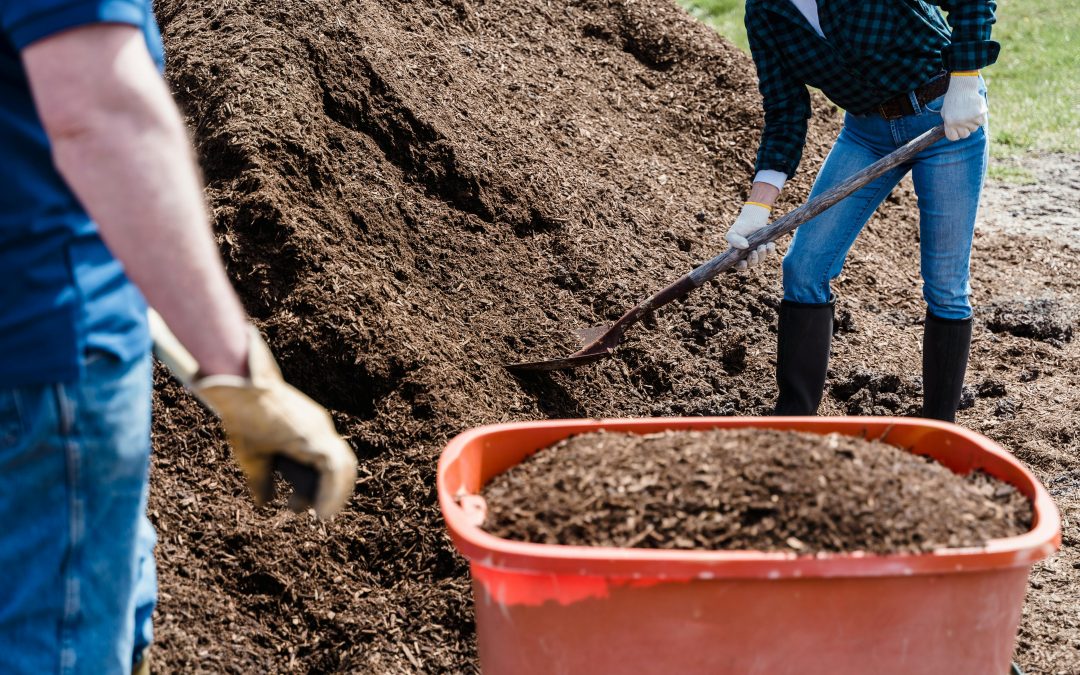
If you’re serious about gardening or lawn care, you’ve probably heard about mulch. But not all mulch is the same. Soil conditioning mulch is a special type designed to do more than just cover your garden beds—it actively improves your soil’s health. Whether you’re growing flowers, vegetables, or just want a lush lawn, this mulch can make a real difference. Let’s dive into what soil conditioning mulch is, why it’s beneficial, and how you can use it to give your garden a natural boost.
What Is Soil Conditioning Mulch?
At its core, soil conditioning mulch is organic material spread over the soil that not only protects but enriches it. Unlike decorative mulches that mostly help with weed control and moisture retention, soil conditioning mulch breaks down over time, feeding the soil and improving its structure.
Common materials used include:
- Compost
- Shredded leaves
- Straw
- Grass clippings
- Wood chips (in some cases)
When these materials decompose, they add nutrients and organic matter that make the soil richer and more fertile.
Why Use Soil Conditioning Mulch?
Healthy soil is the foundation of a thriving garden. According to the USDA, soils rich in organic matter support stronger root systems, better moisture retention, and improved nutrient availability for plants.
Here’s why soil conditioning mulch is a game-changer:
- Improves soil texture: It loosens compacted soil, making it easier for roots to grow.
- Increases moisture retention: Mulch reduces evaporation, so your plants stay hydrated longer, especially during hot weather.
- Suppresses weeds: A thick mulch layer blocks sunlight, keeping weeds at bay naturally.
- Feeds beneficial microbes: Organic mulch supports microbes that help break down nutrients into forms plants can use.
- Regulates soil temperature: Keeps soil cooler in summer and warmer in winter, creating a stable environment for plants.
How to Apply Soil Conditioning Mulch for Best Results
Using soil conditioning mulch isn’t complicated, but a few tips can help you get the most from it:
- Clear the area first: Remove weeds and debris before applying mulch to avoid trapping pests.
- Apply a 2 to 4-inch layer: Too little won’t condition the soil well; too much can suffocate roots.
- Keep mulch a few inches from plant stems: Prevent moisture buildup that could cause rot.
- Replenish mulch regularly: Organic mulch breaks down over time, so add more yearly or as needed.
What Gardens Benefit Most From Soil Conditioning Mulch?
Soil conditioning mulch works wonders in various settings:
- Vegetable gardens: Improves soil fertility naturally, reducing the need for chemical fertilizers.
- Flower beds: Keeps roots healthy and promotes vibrant blooms.
- Lawns: Can be used to condition soil before laying sod or planting grass seed.
- Trees and shrubs: Protects roots and supports steady growth.
An Example: Compost Mulch in Vegetable Gardens
Compost is one of the most popular soil conditioning mulches because it’s nutrient-rich and easy to make at home. A study by the Rodale Institute found that using compost mulch increased vegetable yields by up to 20% compared to bare soil. That’s impressive and shows how beneficial adding organic matter can be.
A Quick Soil Conditioning Mulch Checklist
If you want to get started with soil conditioning mulch, here’s a handy checklist:
- Choose organic mulch suitable for your plants
- Remove weeds and clear the soil surface
- Spread a 2–4 inch layer evenly
- Keep mulch away from plant bases
- Water mulch lightly after application
- Monitor and top up mulch as it decomposes
Final Thoughts: Why It Is a Gardener’s Best Friend
Using soil conditioning mulch is one of the easiest ways to support your plants naturally and sustainably. It’s not just about making your garden look good—it’s about creating a healthy ecosystem right in your backyard. By feeding the soil and protecting it, you’re setting up your garden for long-term success.
If you haven’t tried soil conditioning mulch yet, give it a shot this season.