
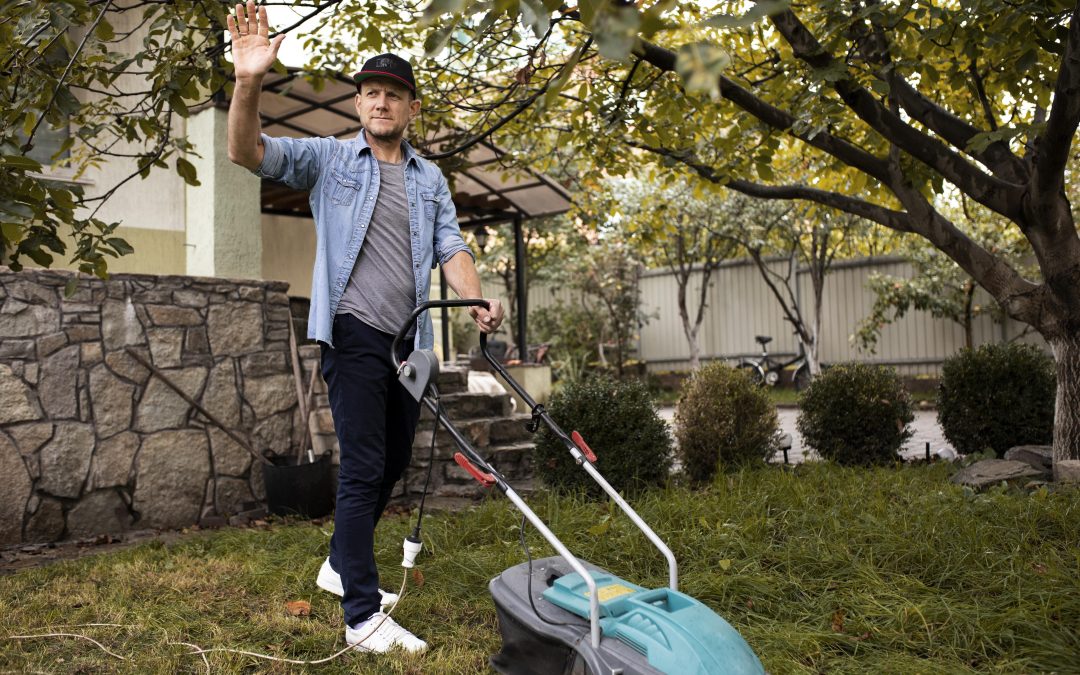
When summer heat hits, your lawn feels it just as much as you do. One of the simplest but most effective ways to protect your grass during hot, dry months is to adjust your mowing height. So, what height should grass be cut in summer? The short answer: a little longer than usual.
Let’s break down why mowing height matters and how to get it just right for a thriving lawn all season long.
Why Mowing Height Matters More in Summer
In the cooler months, mowing a bit shorter can help maintain a tidy, tight lawn. But during summer, cutting grass too short can stress it out, expose the soil to heat, and increase water loss.
Taller grass in summer acts as natural shade. It keeps the soil cooler, reduces evaporation, and helps the grass develop deeper roots — making it more resilient to heat and drought.
Ideal Grass Cutting Heights by Type
The perfect height depends on the type of grass you have. Here’s a quick guide to recommended summer mowing heights:
- Cool-season grasses (like Kentucky bluegrass, fescue, ryegrass):
Mow at 3 to 4 inches during summer. These grasses prefer cooler weather and benefit from the extra height in heat. - Warm-season grasses (like Bermuda, zoysia, St. Augustine):
Cut slightly lower, around 2 to 3 inches, depending on the variety. However, during extreme heat or drought, raise the blade slightly higher than usual.
The One-Third Rule: Never Cut Too Much at Once
A general rule for mowing any time of year is the one-third rule: never remove more than one-third of the grass height at a time. Cutting too much at once shocks the plant and weakens the root system, especially when the grass is already stressed from heat.
For example, if your lawn is 4.5 inches tall, aim to cut it no shorter than 3 inches.
Other Summer Lawn Mowing Tips
- Keep mower blades sharp: Dull blades tear grass instead of cutting cleanly, leading to brown tips and disease.
- Mow during cooler parts of the day: Early morning or late evening is best to avoid adding heat stress.
- Leave the clippings: Mulched grass clippings help retain moisture and return nutrients to the soil.
- Adjust frequency: In slower growth periods, especially during drought, mowing less often is better for the lawn’s health.
What Happens If You Cut Grass Too Short in Summer?
Cutting too low, often called scalping, can have some serious effects:
- Increases soil temperature and dries it out faster
- Encourages weed growth
- Weakens the grass’s natural ability to recover
- Makes your lawn more vulnerable to pests and disease
A lawn that’s too short in hot weather often looks patchy, brown, and thin — and takes longer to bounce back.
Final Thoughts: A Taller Lawn Is a Healthier Lawn in Summer
So, what height should grass be cut in summer? For most lawns, aim for a cutting height of 3 to 4 inches — and maybe even a little higher during heatwaves or droughts. Giving your grass that extra length helps it stay strong, green, and more resistant to stress.
Adjusting your mower’s settings takes only a minute, but it can make a big difference in your lawn’s health and appearance all summer long.